Become Ordained in Colorado

Accessible online, study-based, and publicly recognized wedding officiant ordination

How to Become Ordained in Colorado

Christian Wedding Officiant Training & Ordination

Weddings in Colorado: Beauty, Freedom, and Christian Commitment

Weddings in Colorado are known for their beauty, simplicity, and sense of freedom—from church ceremonies in Denver to mountain weddings near Boulder, outdoor gatherings in Colorado Springs, Fort Collins, or a quiet overlook in the Rockies.

No matter the setting, many couples still want a Christian wedding ceremony that honors God and publicly blesses their covenant marriage.

Christian Leaders Alliance offers a study-based ordination pathway—not instant and not transactional—designed for Christians who want to officiate weddings with biblical clarity, pastoral care, and confidence, even in a state with unique marriage laws.

“What therefore God has joined together, don’t let man tear apart.”
— Matthew 19:6 (WEB)

Do You Need Ordination to Officiate a Wedding in Colorado?

Yes—if you are serving as the officiant for a Christian ceremony.

Colorado law recognizes weddings solemnized by ordained ministers and authorized religious officials.

Colorado is also known for allowing self-solemnization, meaning a bride and groom may legally marry themselves without an officiant. However, when a couple chooses a Christian ceremony led by someone else, that person should be properly ordained or authorized.

Self-solemnization is a legal option, but it does not replace the pastoral, spiritual, and biblical role of an ordained officiant.

“Let all things be done decently and in order.”
— 1 Corinthians 14:40 (WEB)

Colorado Wedding Law in Plain Language

Here is how marriage works in Colorado:

  • The bride and groom obtain a marriage license from a county clerk
  • Colorado does not require witnesses
  • Colorado allows self-solemnization (no officiant legally required)
  • If an officiant is used, they should be ordained or authorized
  • A marriage license is typically valid for 35 days
  • The completed license is usually returned within 63 days

Because the law is flexible, many couples still want an officiant who brings spiritual seriousness and structure to the ceremony.

Colorado Wedding Officiant Requirements (Quick Overview)

If you are officiating a Christian wedding in Colorado:

  • You should be ordained or authorized as a minister
  • No officiant registration with the state is required
  • A venue or couple may request proof of ordination
  • You must complete and return the license accurately
  • You serve as the spiritual leader of the ceremony

Even when the law is simple, pastoral responsibility remains meaningful.

Step-by-Step: How to Become Ordained in Colorado

Step 1 — Complete the Wedding Officiant Skills Course

Through Christian Leaders Institute, this free study course prepares you for real Colorado weddings—indoors or outdoors—including:

  • Leading a calm, Christ-centered ceremony
  • Delivering a meaningful wedding message
  • Guiding vows, rings, prayer, Scripture, and blessings
  • Understanding your role within Colorado’s flexible laws
  • Serving couples who want more than paperwork

“Be shepherds of God’s flock that is among you.”
— 1 Peter 5:2 (WEB)


Step 2 — Receive Study-Based Ordination Credentials

After completing training, you may pursue study-based Christian ordination through Christian Leaders Alliance.

This pathway is:

  • Study-based, not instant
  • Biblically grounded, not transactional
  • Documentable when credentials are requested
  • Designed for volunteer and part-time ministers

For Colorado couples, this offers confidence that their officiant is prepared and accountable.


Step 3 — Local Endorsement

CLA ordination includes local endorsement from someone other than yourself.

This shows:

  • You are recognized, not self-appointed
  • You serve with accountability
  • You are trusted within the Christian community

“Plans succeed with counsel.”
— Proverbs 20:18 (WEB)

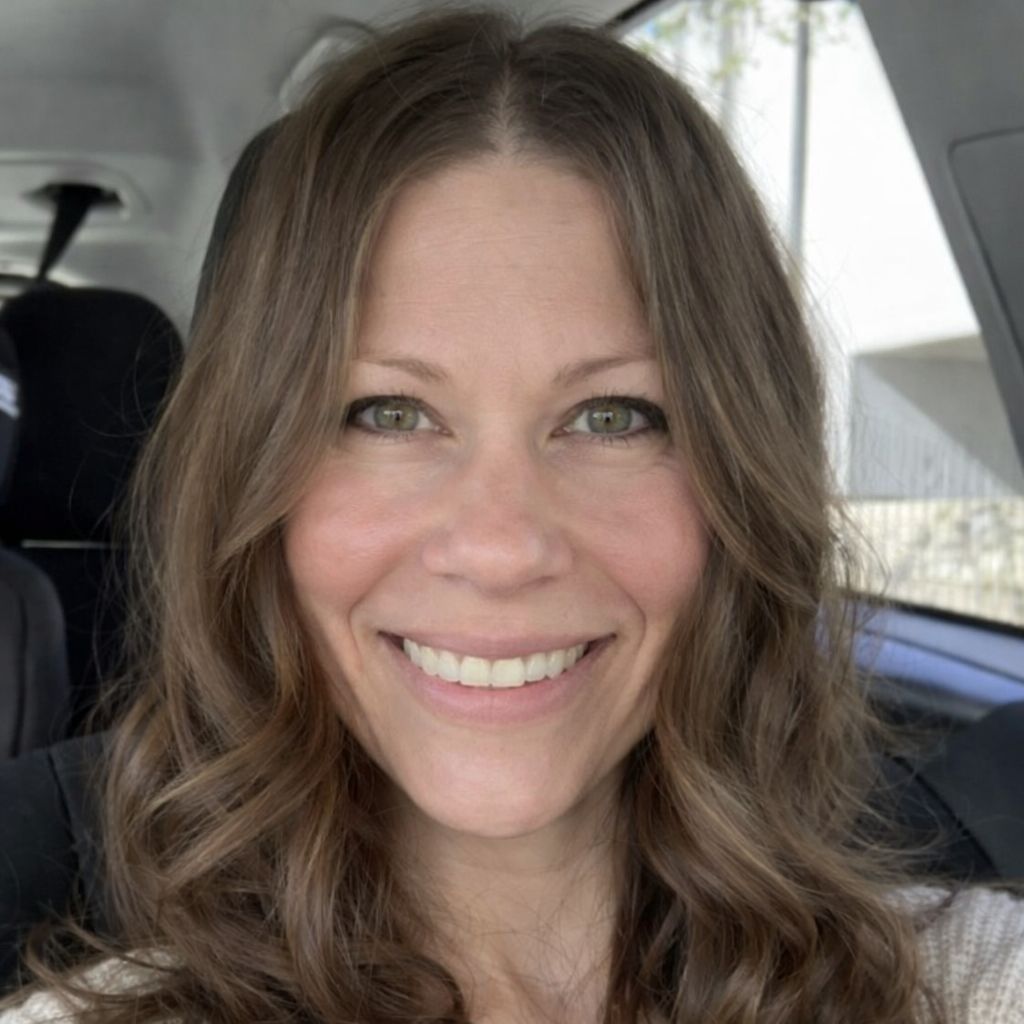
A smiling woman with wavy brown hair sits in a car, looking at the camera.

📖 Amy’s Story: Ordination in Colorado

Hi, my name is Amy Mohel. My cousin asked me to officiate her wedding, and I had no idea how to become ordained. I knew I didn’t want to be ordained through an online application, commonly referred to as an “ordination mill.” I wanted something meaningful, aligned with Christian values. That prompted my search for Christian ordination certification. I believe that marriage is a covenant between God, a man, and a woman. I wanted to ensure I was partaking in something that would honor God. That’s when I found Christian Leaders Institute and Christian Leaders Alliance. Receiving the license to be a Christian Wedding Officiant was exactly what I wanted and needed. I am so excited to see where this calling will lead me and equally excited to share the gospel with my cousin and her fiancé. I can’t wait to explore other courses through CLI.

I was raised Catholic but never understood the gospel or had a true relationship with the Lord. The Catholic religion didn’t resonate with me, so I began exploring non-denominational churches. Slowly, I started to understand faith as more than just following traditions.

In 2011, my personal friend’s husband, who was a pastor, officiated my wedding to my childhood crush. During the ceremony, the part that impacted me most was when Pastor Bob brought out three cords of rope and had us braid them together while explaining the unity of marriage through Ecclesiastes 4:12. It was beautiful, meaningful, and unlike anything I had experienced at weddings before. 

While living in Colorado, I found a gospel-teaching church where I committed to growing in my faith and was baptized. Shortly after, my husband and I moved back to Texas, and I once again found myself without a church home. In 2014, I gave birth to our daughter and longed for a church community to raise her in, but I struggled to find the right one. During this time, without the guidance of a church, I wandered into an “enlightenment path” and began experimenting with non-Christian practices. By 2018, after my grandmother passed away, I spiraled into deep despair. Though I considered myself spiritual, it was the wrong kind of spirituality. I was listening to bad advice, feeling lost, angry, disconnected, and hopeless. It wasn’t until a rekindled friendship led me to a women’s Bible conference that things began to change. The speaker at the conference inspired me deeply. That night, I felt an overwhelming urge to meet her, and I did. From that point on, she discipled me. In February 2019, I committed myself to my now home church, The Fellowship. 

I finally and truly accepted the Lord, and my life changed dramatically. I enrolled in and graduated from a 31-week ministry course offered by the church. This intensive program included theological studies of the Bible, Christianity, and the church. We attended weekly classes, read over 10 amazing books, wrote papers, took written and oral exams, and even had the opportunity to write and deliver a sermon. My life has never been the same.

Since then, I have been blessed with countless opportunities to serve the Lord through my church, often stepping far outside my comfort zone. I’ve served in the café ministry and the worship ministry and helped open a newly adopted campus in my hometown. This campus holds special meaning to me as it is where my grandfather served as worship pastor until his passing in 1998. Today, I serve as the café ministry lead there. I am excited to see where God will use me, challenge me, and transform me for His honor and glory. Becoming a Licensed Christian Ordained Minister will open doors to share God’s light with others. I never imagined I’d be in this position, but God doesn’t call the qualified—He qualifies the called. “Then I heard the Lord asking, ‘Whom should I send as a messenger to this people? Who will go for us?’ I said, ‘Here I am. Send me.’” ‭‭Isaiah‬ ‭6‬:‭8‬ ‭NLT‬‬

The Christian Leaders Alliance Ordination Program

Since 2014, Christian Leaders Alliance has equipped men and women to step into ministry roles with humility and preparation.

Many began because they were asked to officiate a wedding and discovered a deeper calling to serve God and others.

The program is:

  • Accessible to everyday Christians
  • Flexible for local ministry and family life
  • Affordable without lowering standards

This fits Colorado especially well—where legal freedom is high, but spiritual leadership still matters.

“Faithful is he who calls you, who will also do it.”
— 1 Thessalonians 5:24 (WEB)

How CLA Ordination Meets Colorado’s Real Needs

CLA ordination works well in Colorado because it:

  • Honors the biblical importance of covenant
  • Provides documentation when requested
  • Trains officiants for clarity and warmth
  • Supports families and churches

Colorado law gives couples freedom—but formation gives the ceremony meaning.

Free — But Not Cheap

Ordination is offered freely—but never casually.

Free does not mean:

  • Instant
  • Automatic
  • Transactional

Ordination is about calling, formation, and serving the bride and groom with dignity, Scripture, and care.

Learn More About Christian Wedding Officiant Ordination

This Colorado page focuses on state-specific guidance.

To understand the full meaning of study-based Christian wedding officiant ordination, including formation, accountability, and long-term ministry vision, continue here:

Start Your Journey Today

If you are ready to become ordained in Colorado and serve a bride and groom with clarity, dignity, and pastoral care, begin with the free training and follow the study-based pathway.

“The harvest is indeed plentiful, but the laborers are few.”
Matthew 9:37 (WEB)

Haley Steiner
Author: Haley Steiner