Disaster Response and Community Crisis Chaplain Ordination Program
A Specialization in the Licensed Chaplain Ordination Pathway
What Is The Disaster Response and Community Crisis Chaplain Ordination Program?
The Disaster Response and Community Crisis Chaplain Ordination Program is a specialization within the Licensed Chaplain Ordination pathway through the Christian Leaders Alliance. It prepares Christian leaders to serve individuals, families, first responders, churches, shelters, care teams, and affected communities through Christ-centered presence, prayer, Scripture, compassionate listening, grief support, trauma-aware care, and role-aware crisis ministry.
Study-Based, Not Instant
Seasonal ministry still requires real preparation. Disaster Response and Community Crisis Chaplains represent Christ publicly during worship services, community events, weddings, and pastoral care moments.
This program is built around:
Training first (study-based formation before approval)
Endorsements (local confirmation of character and calling)
Profile and review steps (clarity and accountability)
Commissioning encouraged (laying on of hands recommended)
This is not an instant ordination. It is a study-based program.
The Disaster Response & Community Crisis Chaplain specialization includes the Licensed Chaplain core plus Disaster Response & Community Crisis Chaplain specialization requirements.
Licensed Chaplain Core
Multiplying Christian Leaders — 1 Module
Chaplain Foundations — 1 Unit
Wedding Officiant Skills — 1 Module
Funeral Officiant Skills — 2 Modules
Disaster Response & Community Crisis Chaplain Specialization
Disaster Response & Community Crisis Chaplaincy Practice — 2 Modules
Disaster Response & Community Crisis Chaplaincy Capstone — 0 Credits
Recommended
Christian Leaders Theology — 1 Module
Christian Basics — 3 Units
Training is completed through Christian Leaders Institute.
Program Fit
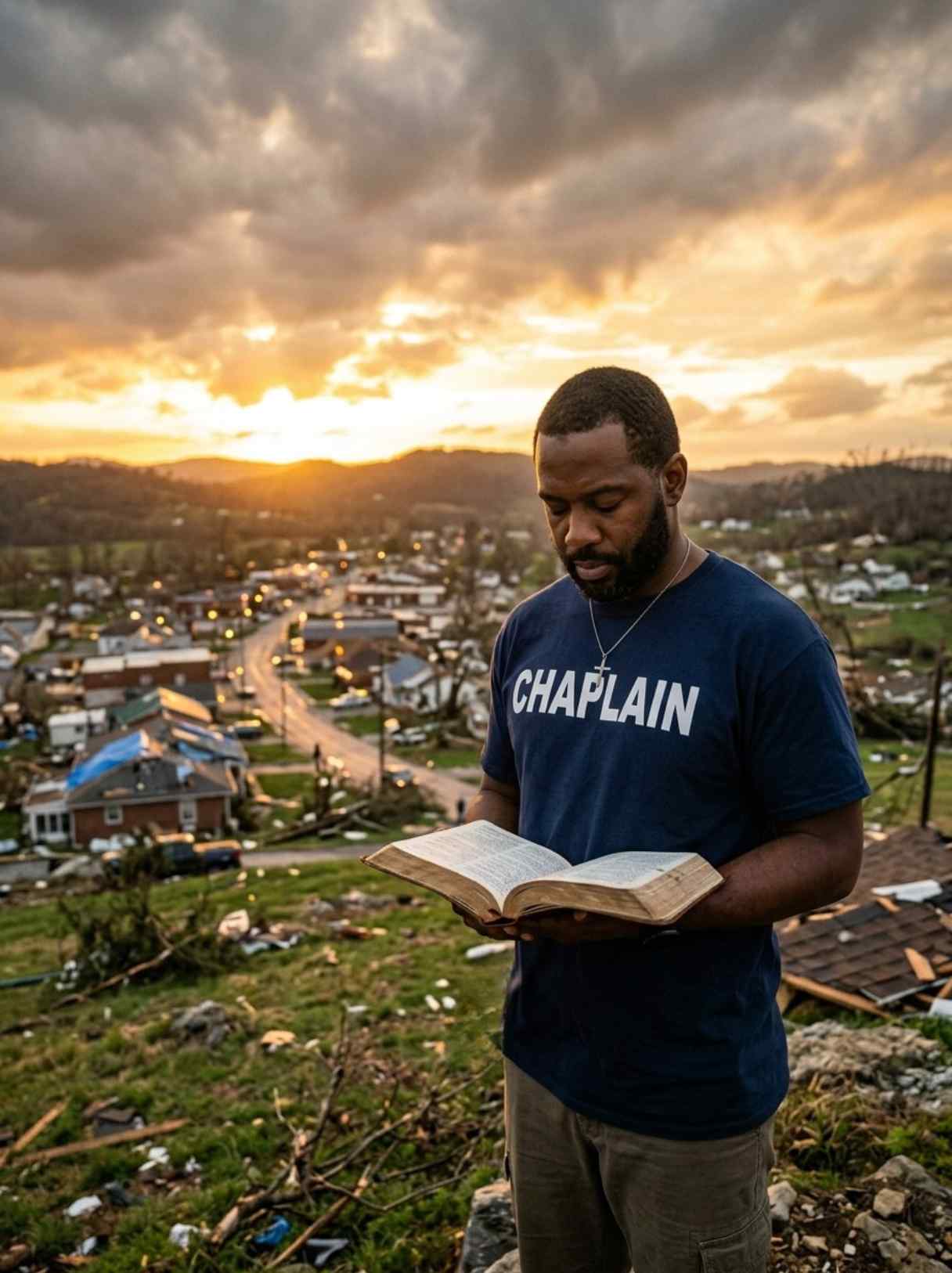
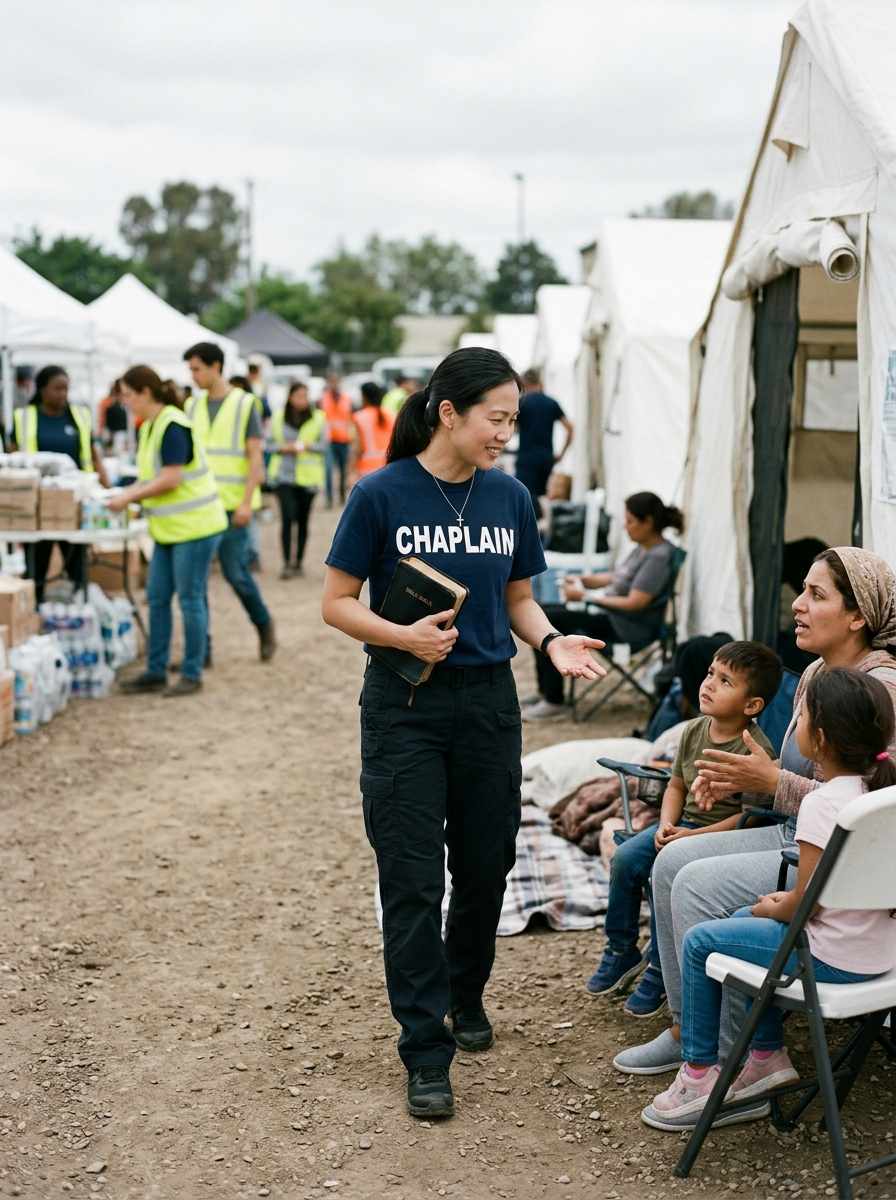
Disaster response and community crisis chaplain ministry brings Christ-centered care into disaster scenes, community emergencies, shelters, grief gatherings, recovery efforts, and moments of disruption where calm spiritual presence provides comfort, prayer, steadiness, and hope.
This program is ideal for:
Volunteer chaplains
Part-time ministers
Church leaders expanding outreach ministry
Christians exploring chaplaincy calling
Ministers seeking recognized clergy credentials
The Disaster Response & Community Crisis Chaplain Ordination Program is designed for Christian leaders who feel called to offer Christ-centered spiritual care in emotionally intense environments with compassion, wisdom, humility, and clear role boundaries.
The Disaster Response & Community Crisis Chaplain Ordination Program is a specialization in the Licensed Chaplain ordination pathway through the Christian Leaders Alliance.
This pathway does not stand alone. It builds on the ministry base of the Licensed Chaplain Program, which prepares chaplains to offer spiritual care, officiate life ceremonies, provide pastoral presence, and serve people in meaningful ministry settings.
The Licensed Chaplain pathway lays the groundwork in:
chaplain presence
officiating competence
pastoral confidence
spiritual care
clergy credibility
From that foundation, the Disaster Response & Community Crisis Chaplain specialization develops ministry readiness specifically for service in disaster response, trauma-aware community care, shelter ministry, grief support, and crisis-affected environments.
Why Start with the Licensed Chaplain Pathway?
A Licensed Chaplain is often a volunteer or part-time minister who brings the presence of Christ into life’s most meaningful and vulnerable moments through spiritual care, pastoral presence, prayer, encouragement, listening, and officiating ceremonies.
Licensed Chaplains may serve through weddings, funerals, memorials, blessings, hospital visits, community ministry opportunities, and crisis-related spiritual care.
For those called to disaster response and community crisis ministry, this foundation matters because crisis environments require emotional steadiness, humility, respect for emergency personnel, and sensitivity to people facing shock, fear, grief, displacement, and confusion.
The Licensed Chaplain pathway forms ministers who can enter difficult places with compassion, clarity, and trusted pastoral presence.
Are You Called to Serve as a Disaster Response and Community Crisis Chaplain?
The Disaster Response & Community Crisis Chaplain Ordination Program develops Christ-centered leaders prepared to serve in crisis-affected environments with biblical confidence, emotional wisdom, pastoral compassion, and role-aware ministry practice.
Disaster response and community crisis chaplaincy is ministry within emotionally intense and disrupted environments.
A Disaster Response and Community Crisis Chaplain may encounter:
natural disasters
fires and evacuations
accidents and sudden deaths
community violence
public emergencies
shelter ministry
grief gatherings
families facing shock or loss
first responders under pressure
churches and communities in recovery
In these moments, a calm Christian presence offers spiritual comfort, prayer support, Scripture, listening, and hope without interfering with emergency operations or assuming responsibilities that belong to responders, pastors, counselors, or relief agencies.
This program is designed for volunteer, part-time, and ministry-minded leaders seeking credible Christian chaplain training for disaster response and community crisis ministry. Graduates may pursue recognition and clergy credentials through the Christian Leaders Alliance.
Learn What the Disaster Response and Community Crisis Chaplain Ordination Program Is All About!
The Disaster Response & Community Crisis Chaplain Ordination Program prepares Christian men and women to serve faithfully in moments of disruption, disaster, trauma, grief, and community crisis through Christ-centered spiritual care, pastoral presence, prayer, listening, Scripture, and compassionate support.
This program develops Christ-centered leaders equipped to serve within crisis-affected environments with biblical confidence, emotional steadiness, pastoral wisdom, and role-aware ministry practice. Disaster and crisis chaplaincy often takes place in settings shaped by urgency, confusion, grief, displacement, and coordination among emergency personnel, churches, shelters, and community organizations.
Disaster response and community crisis chaplaincy is ministry in hard places where people often face shock, fear, sudden loss, trauma exposure, moral questions, and spiritual uncertainty. In these sacred moments, a chaplain brings steady Christian presence without acting as a fixer, commander, therapist, or emergency responder. Chaplains are trusted spiritual caregivers who offer prayer with consent, Scripture, encouragement, and compassionate listening while respecting the responsibilities of trained professionals and local authorities.
Training combines biblical formation, theological reflection, and practical chaplaincy preparation designed specifically for crisis ministry. Students learn consent-based spiritual care, confidentiality awareness, trauma-aware presence, grief support, teamwork, referral awareness, and sustainable soul-care rhythms that support long-term faithfulness in emotionally demanding environments.
The Disaster Response & Community Crisis Chaplain Ordination Program is designed for volunteer, part-time, and ministry-minded leaders discerning a call to crisis care and disaster response ministry. Graduates may pursue clergy recognition and credentials through the Christian Leaders Alliance and serve in churches, neighborhoods, shelters, local ministries, community response efforts, and crisis-affected settings with credibility, clarity, and Christ-centered compassion.
Core Ministry Focus:
Crisis Presence: Provide calm, Christ-centered presence during disaster, trauma, grief, displacement, and community disruption.
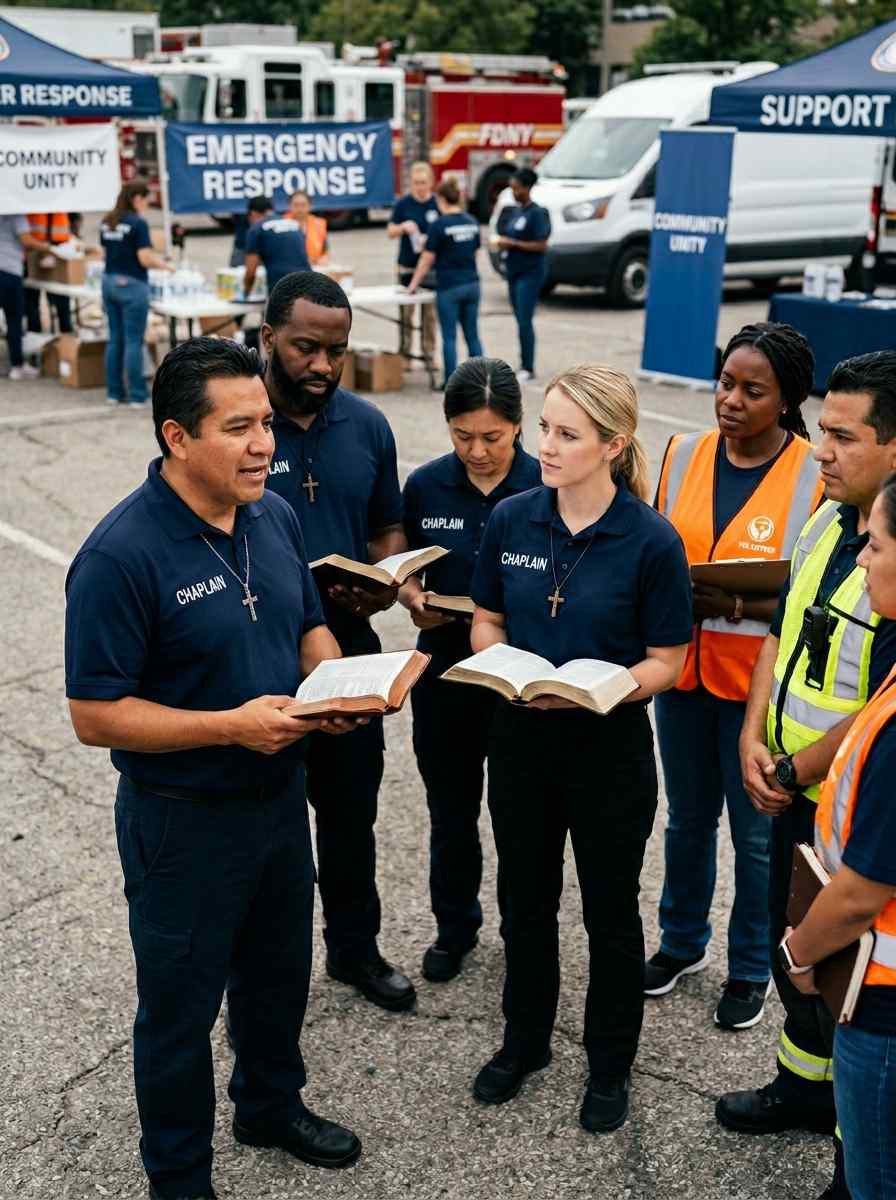
Role-Aware Service: Serve faithfully while respecting emergency personnel, pastors, shelter leaders, social workers, relief workers, and community authorities.
Grief & Trauma-Aware Care: Offer prayer, listening, Scripture, comfort, and spiritual support during shock, sudden loss, fear, and emotionally intense situations.
Community Response Support: Encourage survivors, families, responders, churches, and affected communities while maintaining humility, confidentiality, teamwork, and clear boundaries.
You Will Learn to:
Serve faithfully in disaster response settings, community emergencies, crisis scenes, shelters, and recovery efforts with humility and clear role boundaries.
Offer Spirit-led care during shock, grief, trauma, confusion, sudden loss, displacement, and emotionally intense situations.
Practice consent-based spiritual care through prayer, Scripture, presence, listening, brief ministry conversations, and crisis support.
Build trust through confidentiality, professionalism, consistency, teamwork, and Christlike compassion.
Support families, survivors, community members, and responders without role drift or interfering with emergency operations.
Partner well with pastors, churches, law enforcement, fire personnel, EMS, social workers, shelter leaders, and community organizations without becoming a substitute for their responsibilities.
Minister with calm emotional awareness while recognizing your limits and knowing when referral, reporting, or deferring is necessary.
Sustain ministry through healthy boundaries, supervision, prayer, and soul-care rhythms.
Program Outcomes:
Receive recognition within the Licensed Chaplain ordination pathway with a Disaster Response & Community Crisis Chaplain specialization through the Christian Leaders Alliance.
Be equipped to serve individuals, families, responders, churches, shelters, neighborhoods, and crisis-affected communities with compassionate pastoral care.
Understand how to minister within disaster response and community crisis environments while respecting roles, boundaries, and emergency operations.
Gain confidence offering prayer, Scripture, encouragement, grief care, and trauma-aware presence during disruption, loss, and urgent need.
Develop sustainable ministry practices that prevent burnout, compassion fatigue, role confusion, and emotional overextension.
Be prepared to serve as volunteer or part-time disaster response and community crisis chaplains where permitted.
A Clear 7-Step Disaster Response & Community Crisis Chaplain Ordination Program Pathway
A calling becomes sustainable when supported by preparation, recognition, and ordination. The Disaster Response & Community Crisis Chaplain Ordination Program through the Christian Leaders Alliance guides you from training into recognized chaplain ministry within disaster response and community crisis settings.
🥾 Step 1: Discern Your Calling
Prayerfully consider God’s call to serve individuals, families, responders, churches, shelters, and communities through Christ-centered presence, spiritual care, prayer, Scripture, and compassionate listening during crisis and disruption.
🥾 Step 2: Begin the Licensed Chaplain Training Pathway
Disaster Response & Community Crisis Chaplaincy is a specialization built upon the Licensed Chaplain foundation. Start by completing the required ministry and chaplain training through Christian Leaders Institute to establish biblical, theological, and chaplain identity formation.
🥾 Step 3: Complete Chaplain Foundations and Licensed Chaplain Training
Receive focused preparation for ministry within disaster response and community crisis environments by learning how to offer pastoral presence during shock, grief, trauma, displacement, and urgent need while practicing consent-based care, confidentiality, humility, referral awareness, and clear role boundaries.
🥾 Step 4: Complete Officiant Ministry Preparation
Finish Wedding Officiant and Funeral Officiant training to prepare for pastoral responsibilities often connected to crisis ministry, family care, memorial services, grief gatherings, and community support after sudden loss.
🥾 Step 5: Demonstrate Ministry Readiness and Endorsement
Affirm your character, calling, and ministry readiness through required endorsements, ministry involvement, and completion of training expectations.
🥾 Step 6: Apply for Christian Leaders Alliance Ordination
Enroll with the Christian Leaders Alliance, update your ministry profile, submit endorsements, and order your official clergy credentials recognizing you as an ordained Disaster Response & Community Crisis Chaplain.
🥾 Step 7: Serve and Grow as an Ordained Disaster Response & Community CrisisChaplain
Launch your ministry serving through churches, shelters, community response efforts, local ministries, neighborhoods, crisis gatherings, recovery efforts, and approved disaster response settings—continuing to grow through accountability, soul care, teamwork, and lifelong ministry development.
From Foundational Chaplain to Specialized Chaplain
Once ordained as a Licensed Chaplain, individuals may continue their training through specialized chaplain pathways.
Christian Leaders Institute offers focused courses designed to prepare chaplains for specific ministry settings and service environments.
Called to Serve in Times of Crisis and Community Need — Student Testimony
His calling to Disaster Response and Community Crisis Chaplaincy has grown out of a deep awareness that some of life’s most important ministry moments happen in times of urgency, loss, and uncertainty. He recognizes that crisis situations—whether natural disasters, accidents, fires, or community emergencies—require more than action; they require presence. In these emotionally intense environments, he feels called to serve as a steady, Christ-centered voice of calm, compassion, and clarity for those facing overwhelming circumstances.
Through his understanding of chaplaincy, he has come to see that this ministry involves walking alongside individuals and families experiencing shock, grief, fear, displacement, and spiritual questioning. Whether supporting communities during evacuations, public emergencies, or recovery efforts, he believes chaplains play a vital role in offering emotional and spiritual care while honoring the work of first responders, pastors, and community leaders. His desire is to serve with humility, wisdom, and respect for the broader network of care already in place.
As he pursues ordination as a Disaster Response and Community Crisis Chaplain, he is committed to developing the qualities essential for this field—calm presence, wise judgment, emotional awareness, and clear ethical boundaries. He understands that chaplaincy in crisis settings is not about control, but about faithful presence. It requires listening more than speaking, supporting without overwhelming, and offering care that meets people where they are in their moment of need.
He approaches this calling with a reliance on spiritual discernment and guidance from the Holy Spirit. Rather than depending solely on his own understanding, he seeks to serve in alignment with God’s direction, allowing prayer and faith to shape how he responds in complex and sensitive situations. He recognizes the importance of working in coordination with emergency personnel and established systems while maintaining a Christ-centered foundation in every interaction.
Ultimately, his goal as a Disaster Response Chaplain is to bring hope into moments of crisis, offering a grounded and compassionate presence when people need it most. He is committed to serving faithfully in high-pressure environments while reflecting the love of Christ through calm leadership, respectful support, and unwavering integrity. This calling represents not only a step in ministry, but a commitment to stand with others in their most difficult moments and point them toward hope, healing, and restoration.
Accreditation Status and Public Listing
Christian Leaders Institute provides a public accreditation-status page. The U.S. Department of Education hosts the Database of Accredited Postsecondary Institutions and Programs (DAPIP), where institutional listings can be verified.
What is the Disaster Response & Community Crisis Chaplain Ordination Program?
The Disaster Response & Community Crisis Chaplain Ordination Program is a specialization within the Licensed Chaplain ordination pathway through the Christian Leaders Alliance that prepares Christian leaders for spiritual care ministry in disaster response, crisis, trauma, grief, and community emergency settings.
Is this program part of the Licensed Chaplain pathway?
Yes. The Disaster Response & Community Crisis Chaplain specialization builds directly on Licensed Chaplain formation and remains connected to that ordination pathway.
What does a Disaster Response & Community Crisis Chaplain do?
A Disaster Response & Community Crisis Chaplain provides spiritual care, prayer, Scripture, listening, encouragement, grief support, trauma-aware presence, and pastoral care for individuals, families, responders, churches, shelters, and communities during times of disaster, disruption, and crisis.
Who is this program for?
This program is designed for volunteer, part-time, and ministry-minded leaders called to serve in disaster response settings, shelters, churches, neighborhoods, recovery efforts, and community crisis environments while respecting clear role boundaries and emergency operations.
What courses are required?
Students complete the Licensed Chaplain Core plus Disaster Response & Community Crisis Chaplaincy training and a capstone course through Christian Leaders Institute.
Does this program offer clergy credentials?
Yes. Graduates may pursue clergy recognition and credentials through the Christian Leaders Alliance and order credentials through the Christian Leaders Store.
Is this program self-paced?
Yes. Training is self-paced and accessible online through Christian Leaders Institute.
Can this help me become a volunteerDisaster Response & Community Crisischaplain?
Yes. The program prepares you for volunteer or part-time service where permitted.
Can I officiate weddings after completing this program?
Yes. Wedding officiant preparation is a central component of the program.
Begin Your Journey
If you sense a call to serve people and communities during disaster, trauma, grief, disruption, and urgent need, the Disaster Response & Community Crisis Chaplain Ordination Program offers a clear and credible path forward.
As a specialization within the Licensed Chaplain ordination pathway, this program helps you build a strong chaplain foundation and apply that calling within crisis-affected environments marked by compassion, humility, teamwork, and Christ-centered care.
If you sense a call to serve people and communities during disaster, trauma, grief, disruption, and urgent need, the Disaster Response & Community Crisis Chaplain Ordination Program offers a clear and credible path forward.
Christian Leaders Student Story G. Douglas Goodson: Building a Foundation for Lifelong Christian Ministry After years of serving others and pursuing ministry opportunities, G. Douglas Goodson realized that calling alone was not enough. He wanted deeper biblical education, meaningful ministry recognition, and preparation for a long-term vision of building Christian community. G. Douglas Goodson Christian […]
Christian Leaders Student Story Kirk Rawlins: Preparing to Officiate His Daughter’s Wedding Kirk Rawlins had already served his church community in many different ways when his daughter and future son-in-law asked him to officiate their wedding. The request opened a new opportunity for ministry—and a desire to prepare through a distinctly Christian pathway. Kirk Rawlins […]
Christian Leaders Student Story John Rinke: Answering His Niece’s Invitation to Officiate Her Wedding John Rinke never expected wedding ministry to become part of his story. But when his niece asked him to officiate her wedding, he responded with prayer, Christian counsel, and a desire to prepare carefully for the responsibility. John Rinke Christian Leaders […]
Your Path into the Disaster Response & Community Crisis Chaplain Ordination Program Starts Here
Many people begin exploring Disaster Response & Community CrisisChaplain Ordination Program because they feel called to stand beside others during moments of disaster, trauma, grief, displacement, and disruption. Crisis settings are places where spiritual questions often become urgent, where families seek comfort, and where compassionate presence matters deeply.
Disaster response and community crisis chaplain ordination through Christian Leaders Alliance provides a study-based pathway for individuals who sense a calling to offer Christian spiritual care in crisis-affected environments while receiving recognized ministry standing.
Disaster response chaplaincy is ministry lived out through presence, prayer, listening, humility, and faithful care.
Study Online While Preparing for Real Ministry
The Disaster response and community crisis Chaplain Ordination Program is completed through flexible, self-paced online training at Christian Leaders Institute, equipping you for disaster response and community crisis chaplaincy while you continue your work schedule, church involvement, and family responsibilities.
Many searching for disaster response chaplain ordination ask an important question:
Can chaplain ordination be legitimate, Christian, and recognized without being purchased or rushed?
This pathway was created to answer those questions by combining accessible education with credible ministry formation.
Preparation begins through ministry education provided by Christian Leaders Institute, equipping future chaplains with biblical foundations and practical spiritual care training.
What Disaster Response & Community CrisisChaplain Ordination Prepares You to Do
Ordained Licensed chaplains may serve by:
Offering prayer and spiritual encouragement
Supporting individuals and families through life challenges
Serving churches and communities during crisis response efforts
Officiating weddings, funerals, and other ceremonies
Providing pastoral presence in times of crisis or transition
Providing calm spiritual presence in shelters and recovery spaces
Encouraging first responders, pastors, volunteers, and care teams
Representing Christ’s compassion during disaster and urgent need
Disaster response chaplaincy is often quiet ministry—but deeply impactful.
Who PursuesDisaster Response & Community Crisis Chaplain Ordination
Candidates often include:
Ministry volunteers already serving during crises
Pastors expanding community care and disaster ministry
Retired professionals entering a new season of service
First responder families or community leaders sensing a spiritual calling
Chaplains seeking specialization
Christians called to presence-based crisis care ministry
Church leaders preparing for shelter, grief, or community response ministry
Many discover they have already been serving before seeking formal ordination recognition.
A Clear Pathway Toward Ordination
The Christian Leaders Alliance pathway provides clear and accountable steps.
Develop Licensed Chaplain Skills
Complete ministry training focused on biblical care, pastoral presence, ethical spiritual support, chaplain identity, and Christ-centered ministry.
Serve While You Prepare
Continue volunteering or ministering locally while completing online preparation.
Receive Endorsement and Affirmation
Ordination includes affirmation from others who recognize your calling and ministry character.
Establish Public Recognition
Create an official profile within the Christian Leaders Alliance directory, allowing churches and communities to verify ordination status transparently.
Order Your Credentials
Receive clergy credentials through the Christian Leaders Store.
Be Ordained and Commissioned
After preparation and affirmation, candidates receive licensed chaplain ordination recognition through Christian Leaders Alliance at no cost.
Optional Next Steps
Publish your testimony or establish ministry outreach through Soul Centers connected to your chaplain service.
Courses Included in the Disaster Response & Community Crisis Chaplain Specialization
If you sense a calling to walk alongside individuals, families, responders, churches, shelters, and communities during moments of disaster, trauma, grief, displacement, and crisis, disaster response and community crisis chaplain ordination may be your next step.
Licensed Chaplain formation includes foundational ministry learning such as chaplain presence, officiant skills, pastoral care training, and ethical spiritual support. Students may also complete recommended theological preparation through Christian Leaders Institute to strengthen biblical confidence and ministry leadership.
The Disaster Response & Community Crisis Chaplain specialization then focuses specifically on ministry within crisis environments, disaster response settings, shelters, recovery efforts, grief gatherings, trauma-aware care, community support, and spiritual encouragement during urgent need.
What Makes This Ordination Program Different
This program emphasizes:
Study before recognition
Accountability rather than self-appointment
Biblical formation for spiritual care
Public verification through directory listing
Accessibility without financial barriers
Sustainable ministry practices that prevent burnout
Accessible, self-paced Christian training
Preparation specific to crisis and disaster ministry environments
The purpose is not simply to become ordained—but to become a trusted spiritual caregiver in everyday life.
Continue Your Disaster Response & Community CrisisChaplain Ordination Journey
If you sense a calling to stand beside individuals, families, responders, churches, shelters, and communities during moments when faith and crisis intersect most deeply, disaster response and community crisis chaplain ordination may be your next step.
You may want to explore:
Licensed Chaplain ordination pathways
Chaplain training courses at Christian Leaders Institute
Clergy credential resources through the Christian Leaders Alliance
Accessing optional tools that support ministry
Serving through churches, shelters, neighborhoods, and community response efforts
Disaster response and community crisis chaplaincy is ultimately about presence—bringing peace, prayer, Scripture, compassion, and Christ-centered hope into hard places where people need to know they are not abandoned.
Christian Leaders Alliance provides a pathway where disaster response and community crisis chaplains are ordained through preparation, affirmation, and recognized Christian ministry standing.