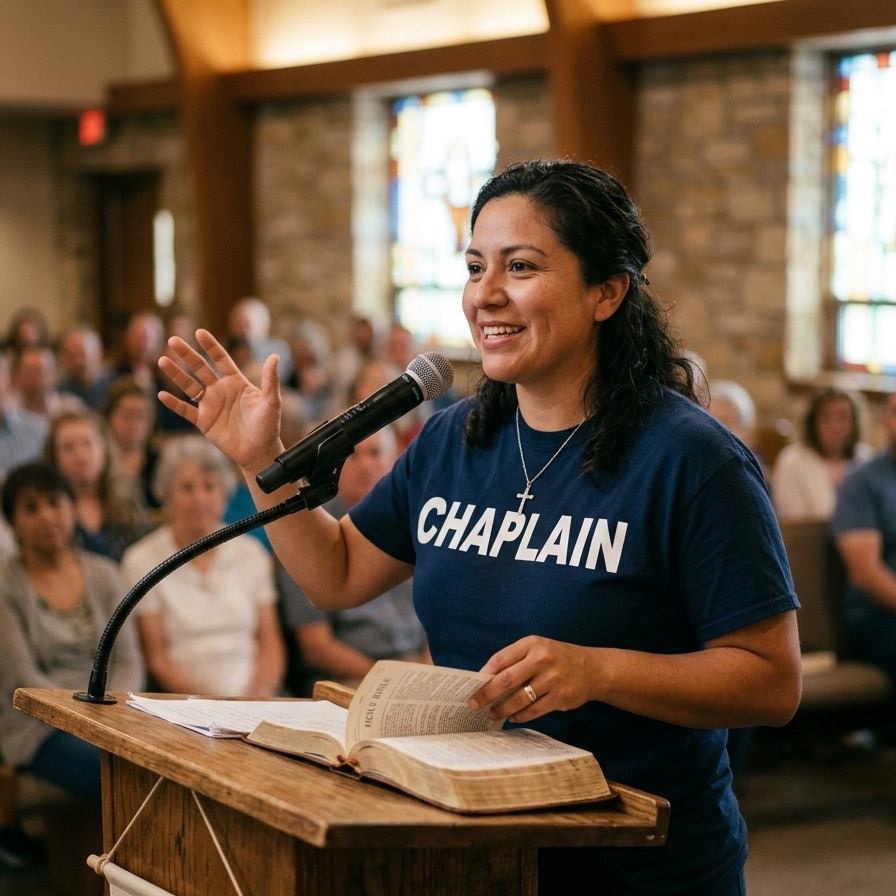
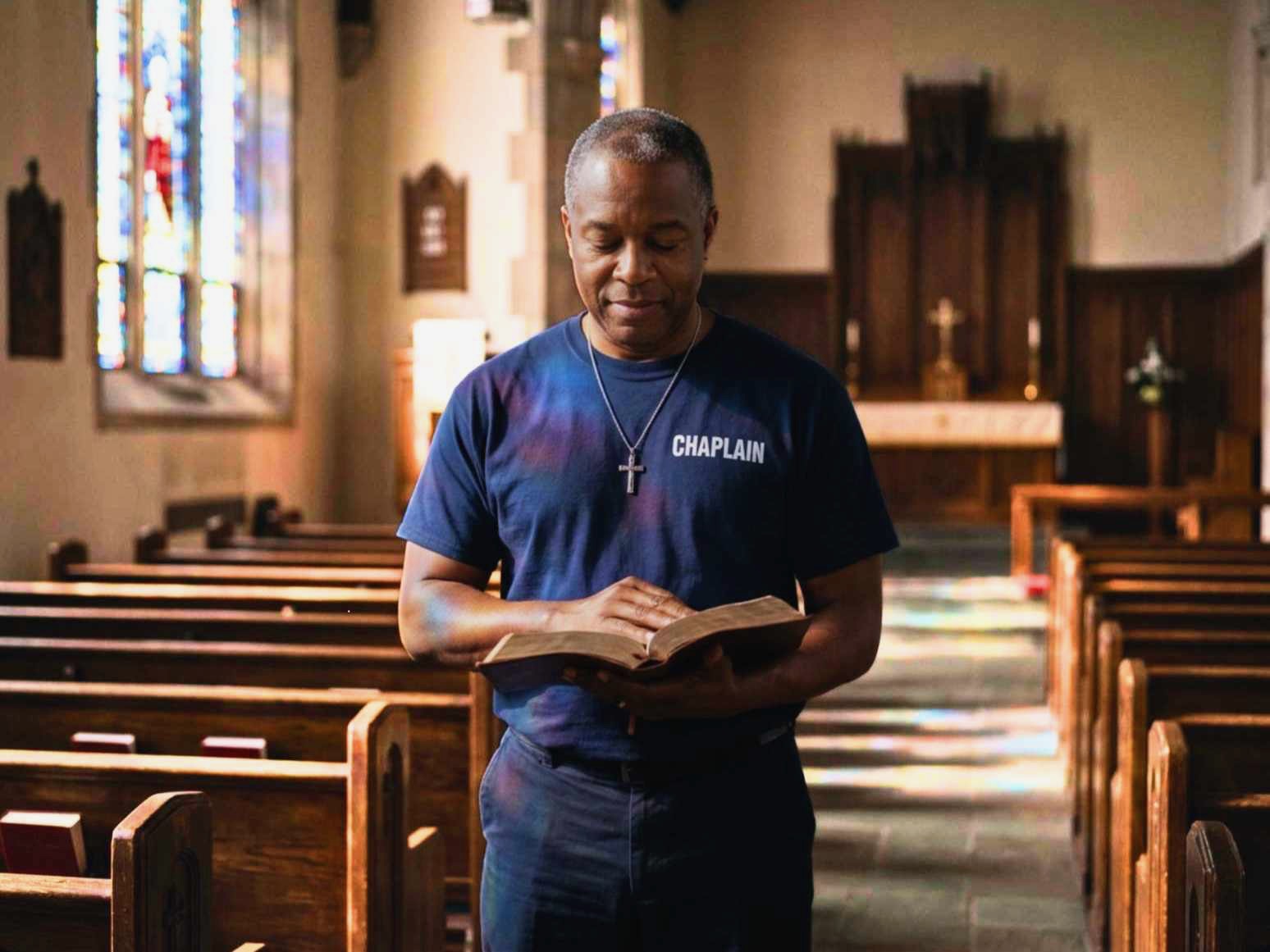
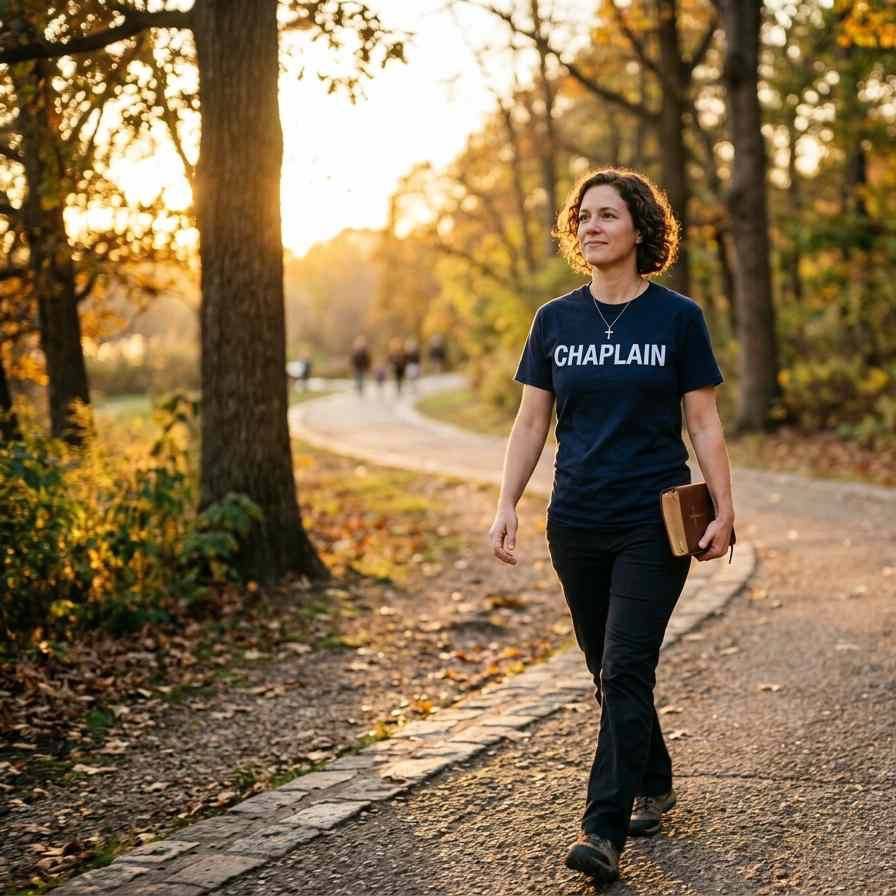
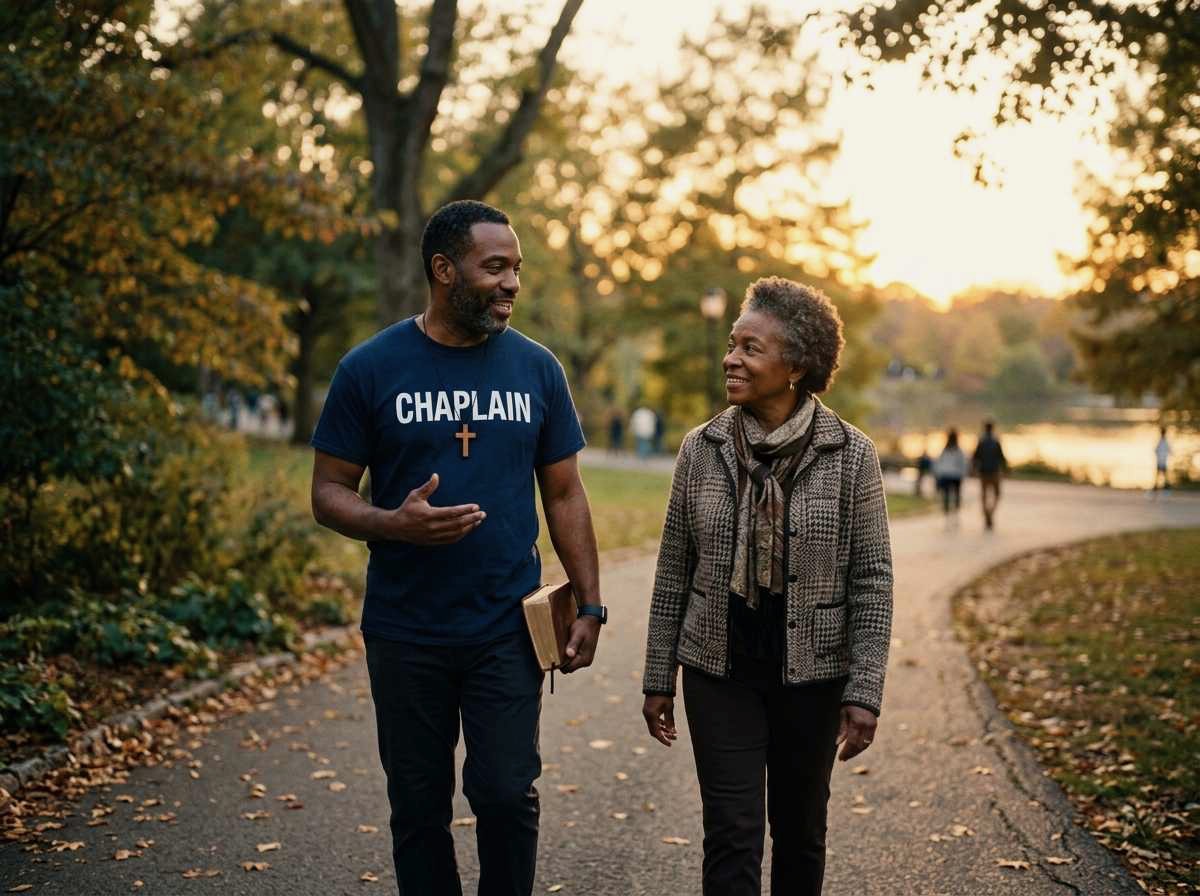
A rigorous pathway equipping chaplains to serve across diverse settings with Christ-centered leadership, theological depth, and compassionate care in crisis and ministry environments.
Motorcycle Club Chaplain Ordination Program (COMING SOON…)
A training pathway equipping chaplains to serve riders, families, and motorcycle communities with Christ-centered presence, cultural awareness, and compassionate spiritual care.
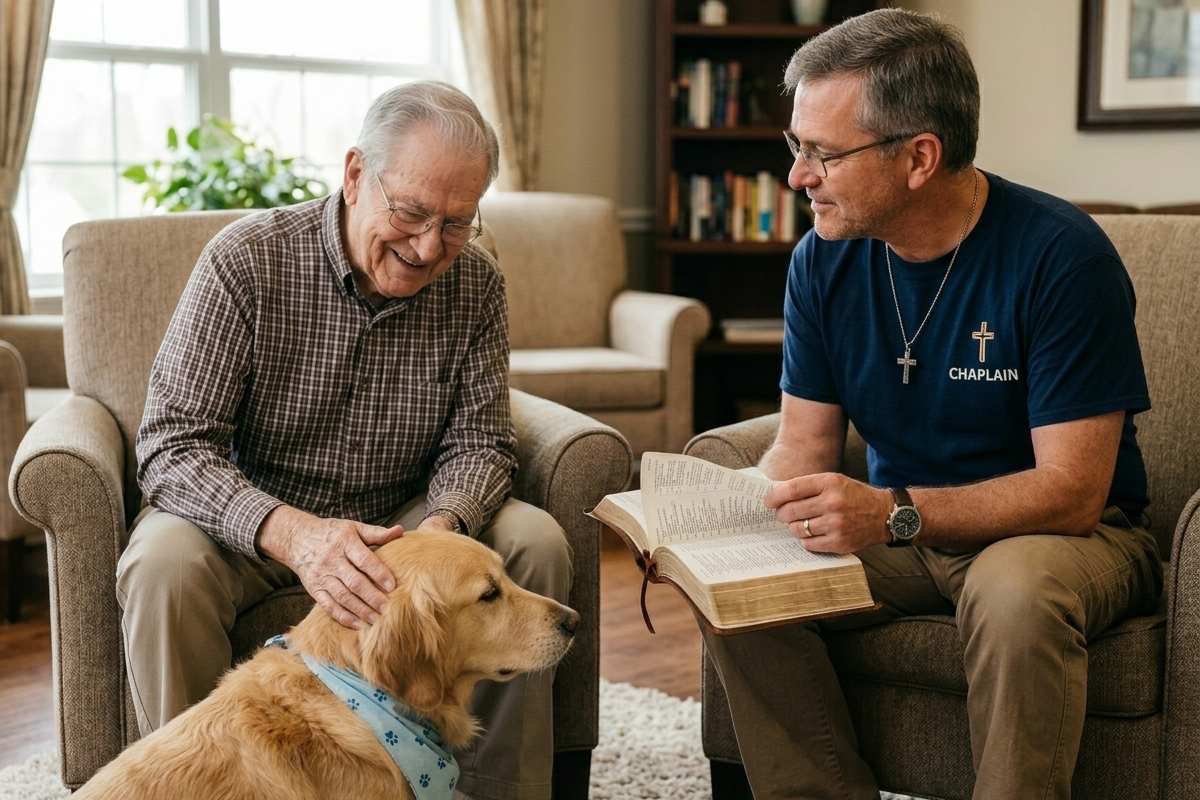
Pet Assisted Chaplain Ordination Program (COMING SOON…)
A training pathway equipping chaplains to serve with Christ-centered presence through safe, compassionate, and consent-based pet assisted ministry.
Strip Club Chaplain Ordination Program (COMING SOON…)
A training pathway equipping chaplains to serve in high-boundary, trauma-aware environments with Christ-centered presence, dignity, and compassionate spiritual care.
Adults with Disabilities Chaplain Ordination Program (COMING SOON…)
A training pathway equipping chaplains to serve adults with disabilities, families, and caregivers with Christ-centered presence, dignity, and compassionate, accessible spiritual care.
Community Chaplain Ordination Program (COMING SOON…)
A training pathway equipping chaplains to serve communities with Christ-centered presence, wise boundaries, and compassionate spiritual care in relationally complex settings.
Homeless Community Chaplain Ordination Program (COMING SOON…)
A structured pathway equipping chaplains to serve individuals experiencing homelessness with Christ-centered presence, dignity, and compassionate spiritual care.
A Study-Based Pathway into chaplaincy
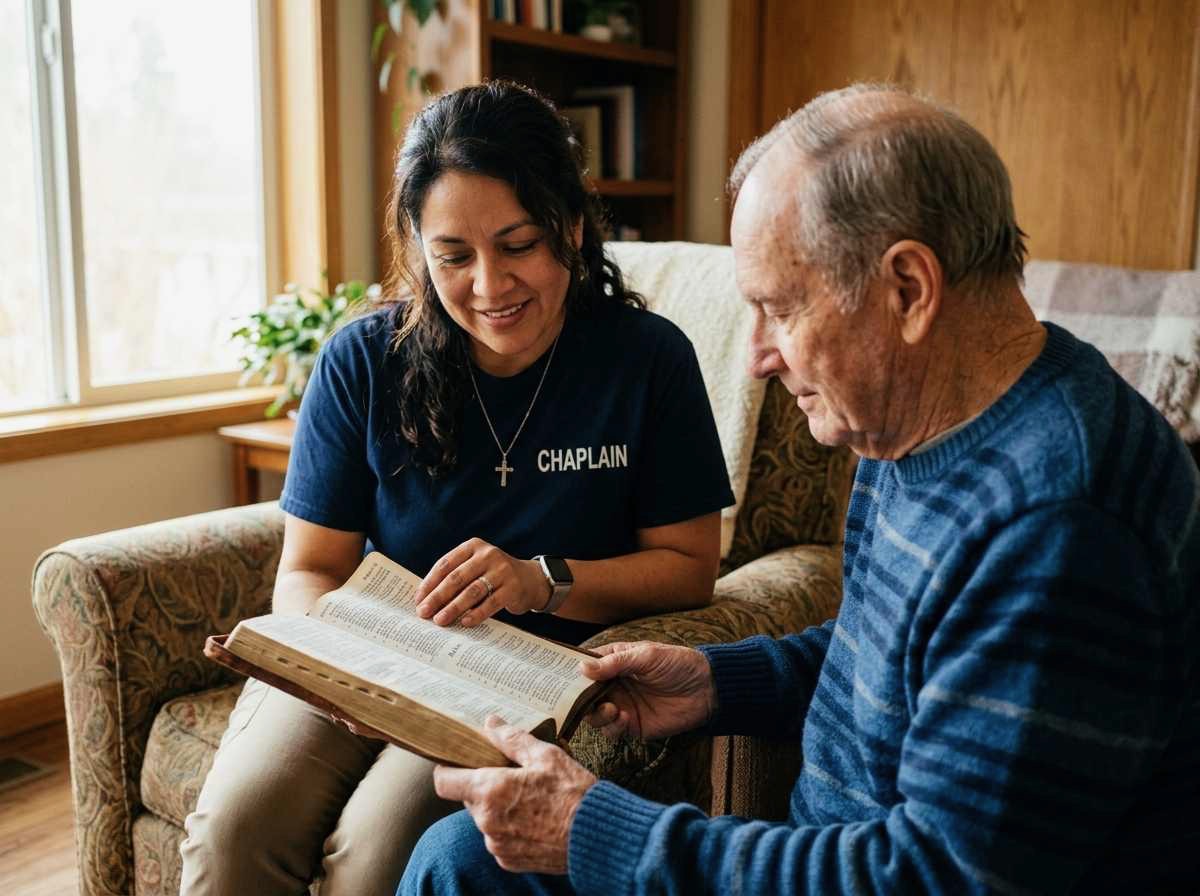
Chaplaincy begins with a calling—to be present with people in life’s most meaningful and difficult moments. Christian Leaders Alliance provides a study-based chaplain ordination pathway that equips leaders for real-world ministry through biblical learning, practical ministry training, and compassionate spiritual presence.
What is Chaplain ordination?
Chaplain ordination is the formal recognition that a trained Christian leader is prepared to provide spiritual care in real-world ministry settings, serving individuals and communities with integrity, compassion, and Christ-centered support.
Through the Christian Leaders Alliance, this ordination follows a study-based pathway combining biblical learning, practical ministry training, and ethical preparation—equipping chaplains to serve with confidence and effectiveness.
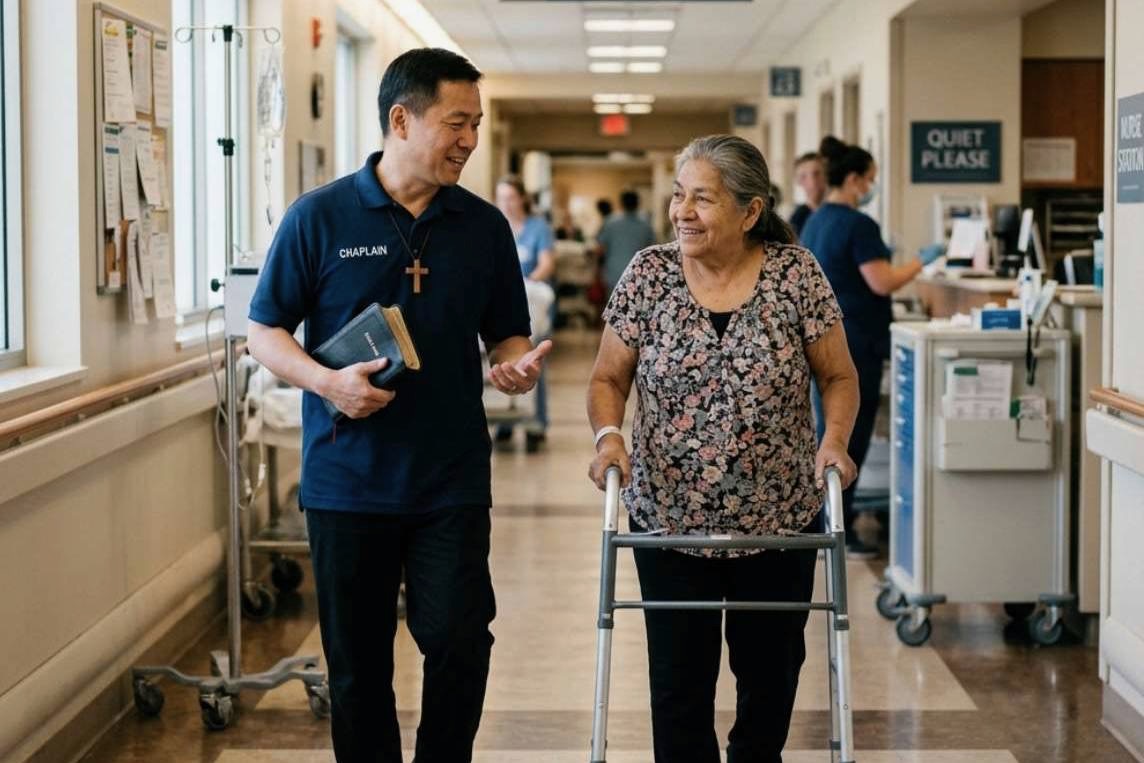
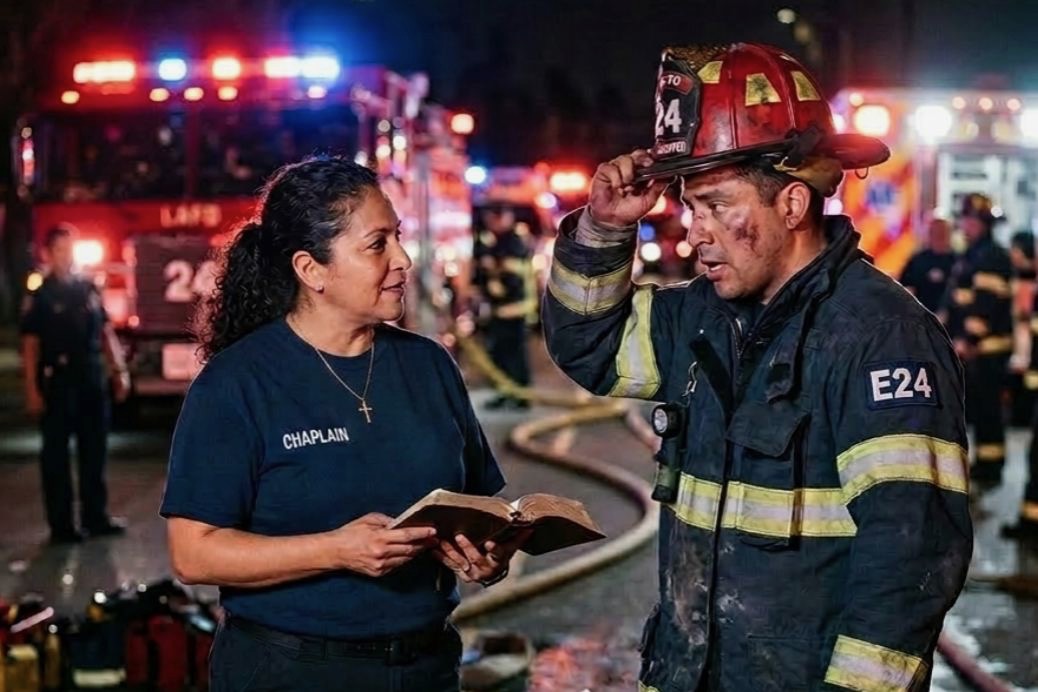
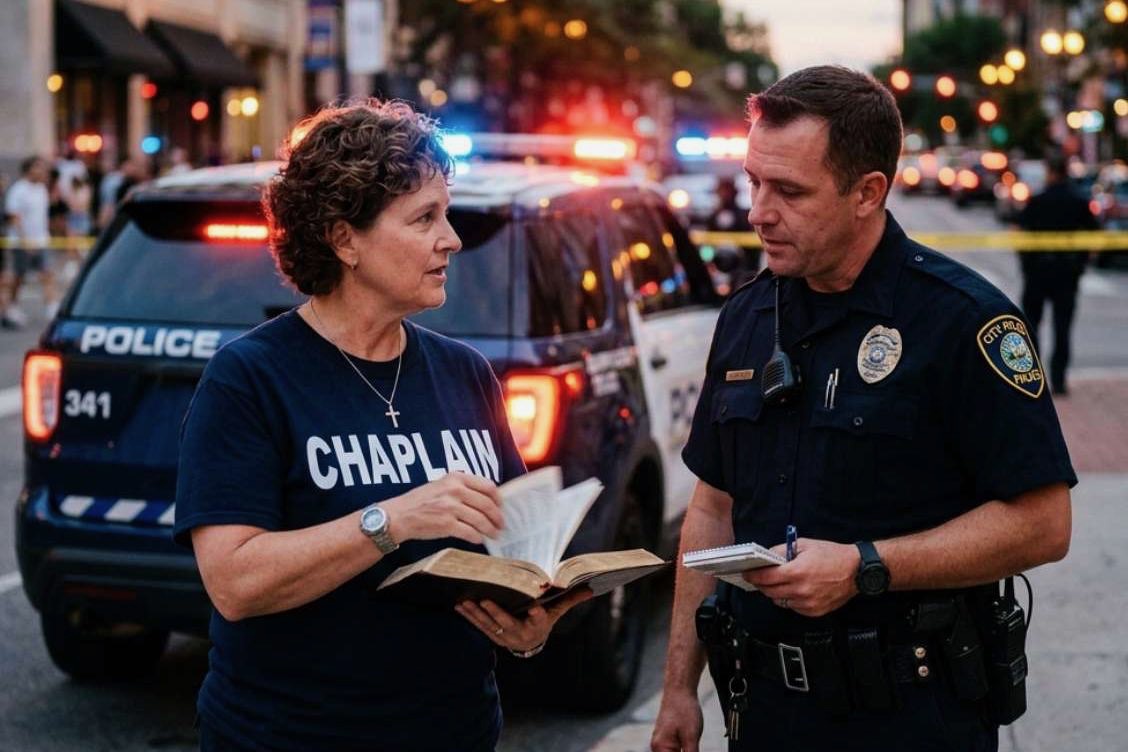
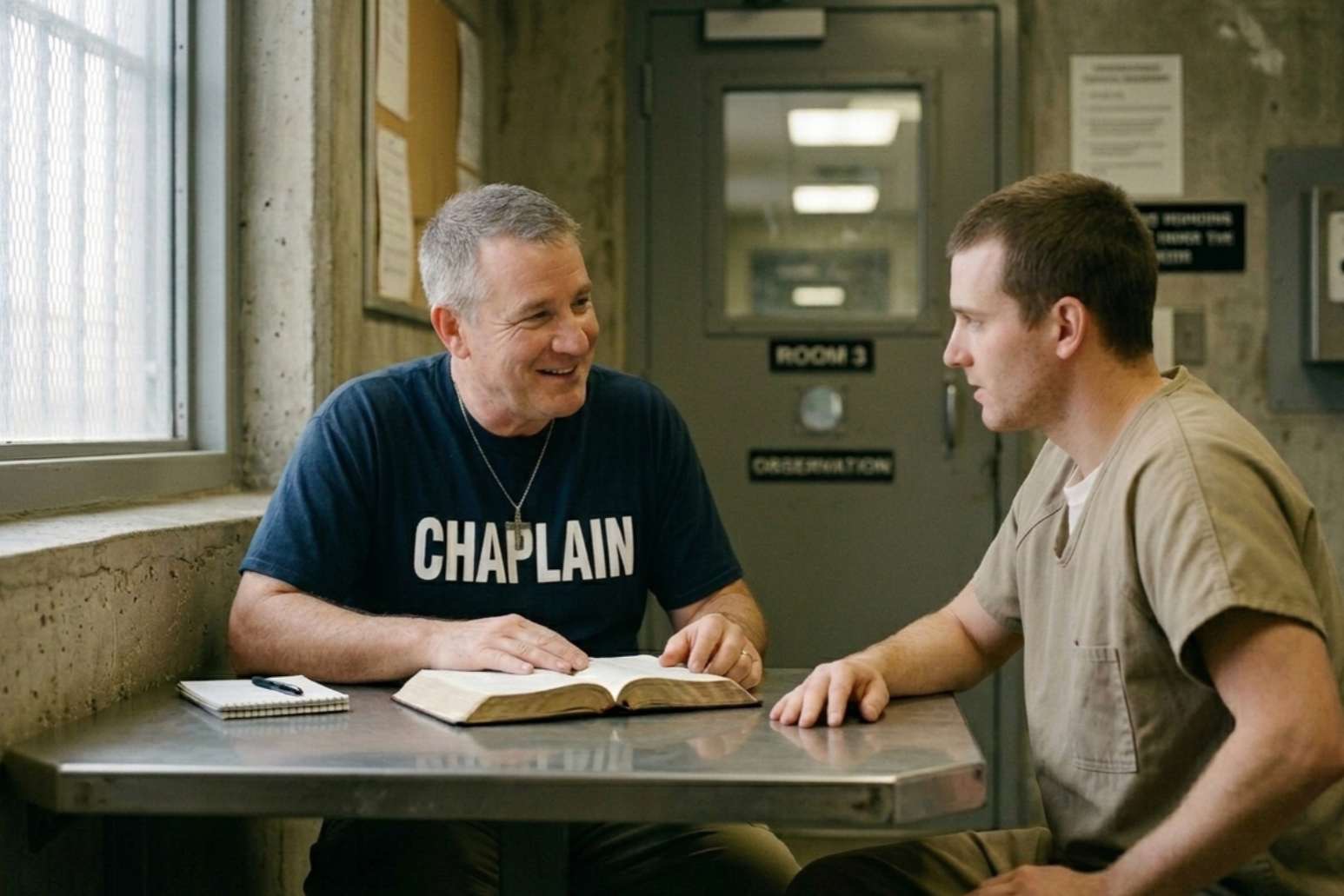
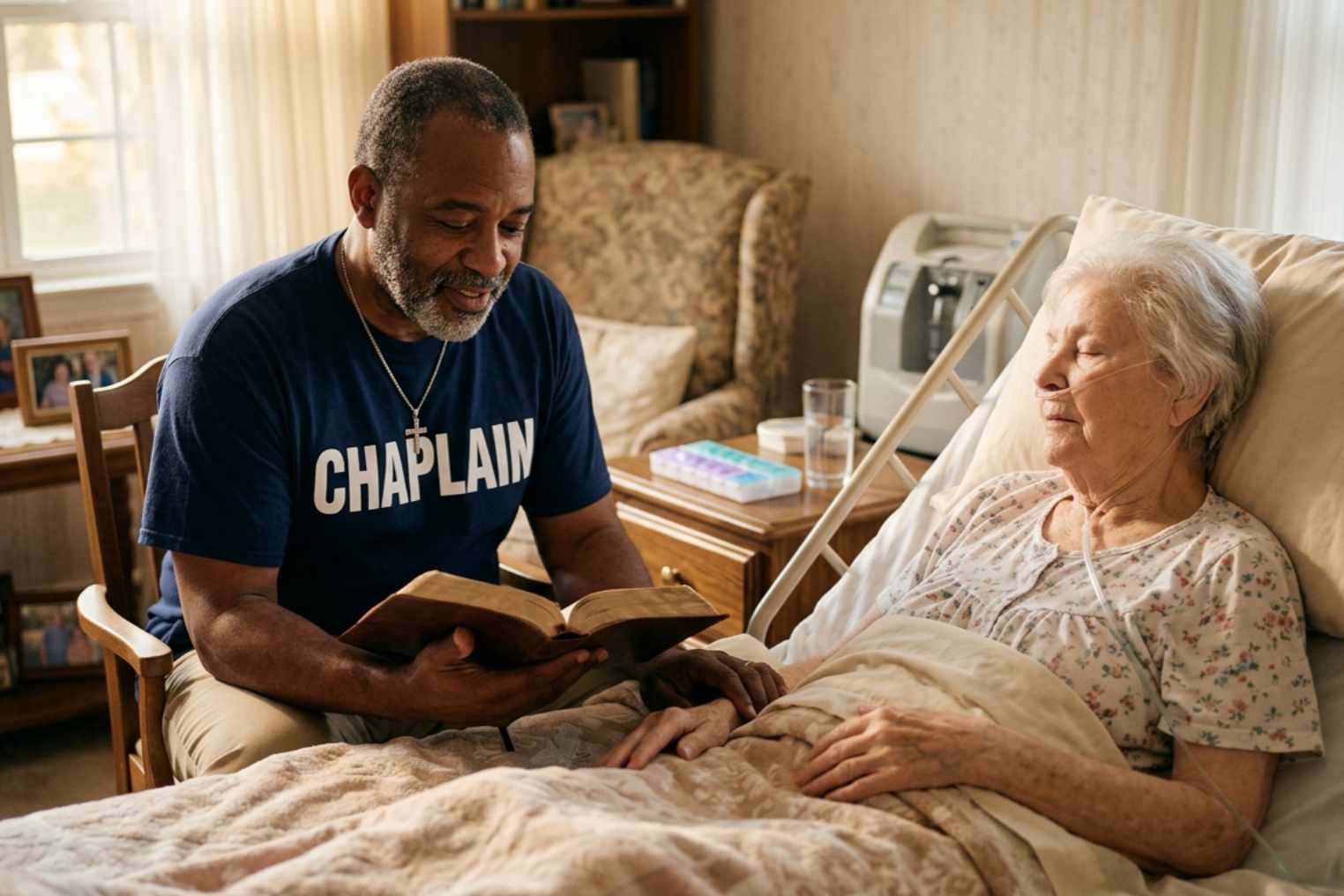
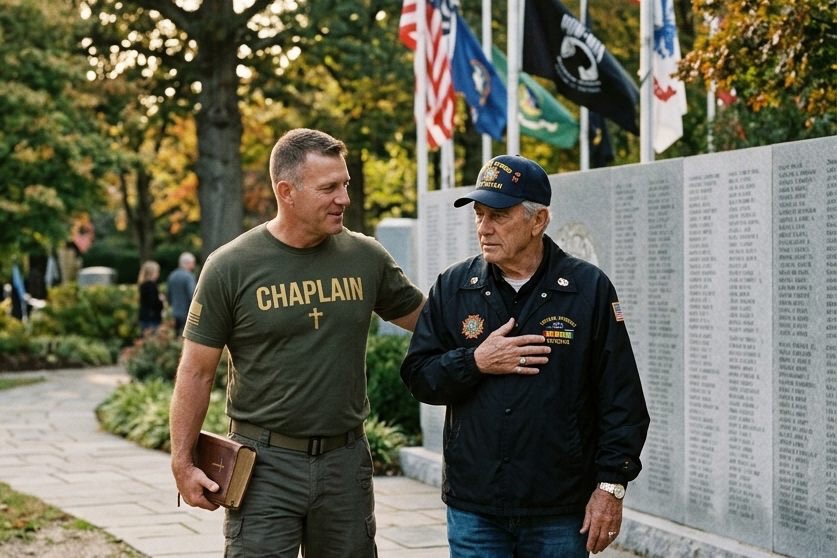
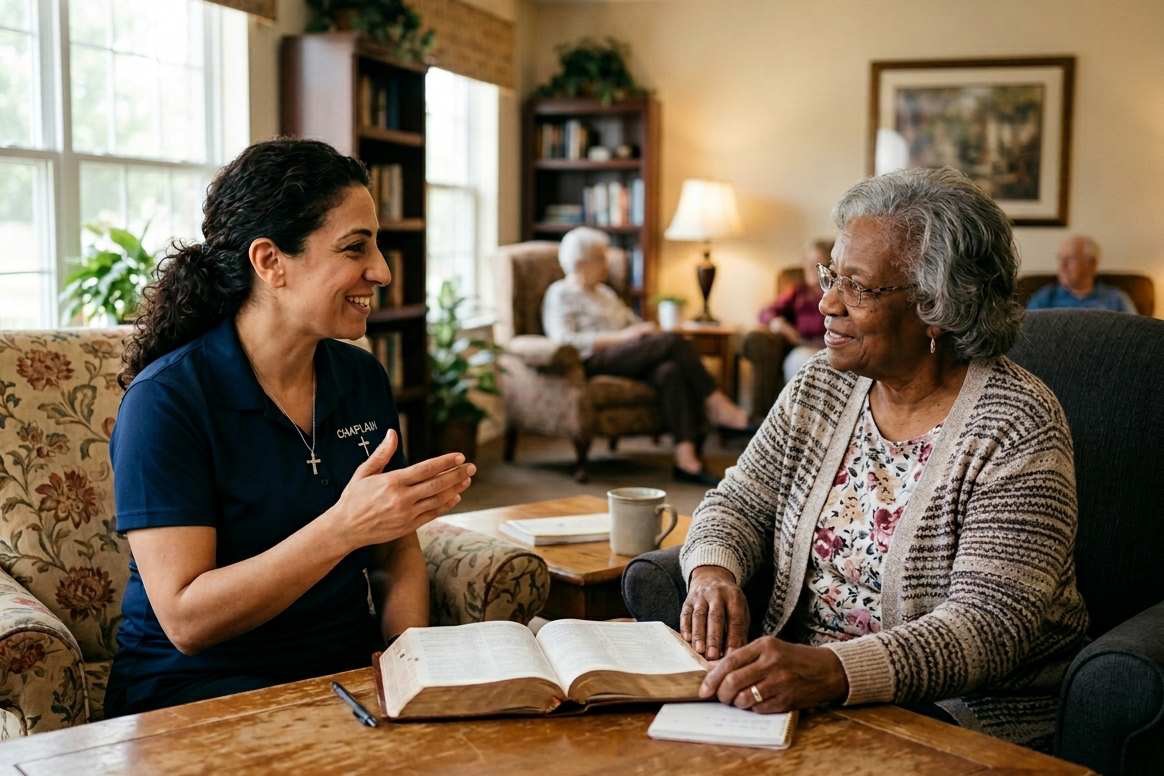
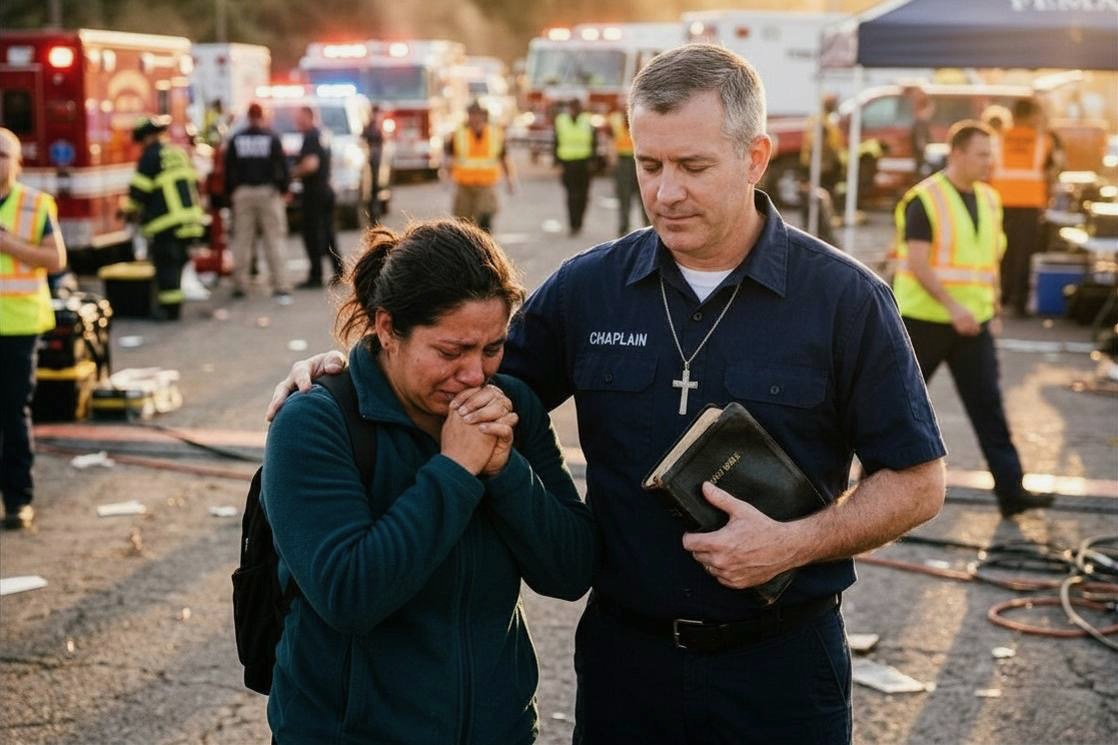
Chaplains walk alongside people in moments of crisis, transition, celebration, grief, and spiritual searching, offering presence through listening, prayer, and encouragement across settings such as healthcare, emergency services, schools, workplaces, and communities—bringing hope, healing, and spiritual care beyond traditional ministry environments.
What This Practice Is ✅
Serves with consent-based spiritual care
Operates within a leadership structure or chain of command
Maintains confidentiality with clear limits
Practices referral awareness
Honors institutional authority
Brings Christ-centered presence without coercion
What This Practice Is Not ❌
A click-and-ordain credential
A “pay-to-ordain” shortcut
A replacement for institutional approval
A substitute for policy compliance
A bypass of training or endorsement
Begin With foundational training
Chaplain ordination is the formal recognition that a trained Christian leader is prepared to provide spiritual care in real-world ministry settings—serving individuals and communities with integrity, compassion, and Christ-centered support.
Through Christian Leaders Institute and the Christian Leaders Alliance, chaplains follow a study-based pathway that combines biblical learning, practical ministry training, and ethical preparation. This process emphasizes readiness, accountability, and faithful service—not instant credentials.
Chaplains serve in moments of crisis, transition, celebration, grief, and spiritual searching across settings such as healthcare, emergency services, schools, workplaces, and communities—offering presence through listening, prayer, and encouragement.
Chaplain training is completed through Christian Leaders Institute (CLI), where students receive biblically grounded, study-based education designed for real-world ministry. Through this pathway, participants develop theological understanding, pastoral care skills, and practical chaplaincy competencies to serve individuals, families, and communities with confidence and compassion.
The study-based model allows you to move forward step by step with clarity and flexibility—building toward meaningful ministry readiness and recognized ordination pathways.
The Chaplaincy Overview Folder provides a clear starting point for exploring chaplaincy training, offering organized access to foundational resources and guidance. It helps you understand the overall pathway, key course options, and how to begin progressing toward chaplain ministry and ordination.
Chaplaincy Ordination Programs
Full Ordination Program
Pursue Ordination Recognition
Free to Participate. Study-Based. Donor-Supported.
The Christian Leaders Alliance offers a free chaplain ordination pathway because the training is supported by donors who believe ministry preparation should remain accessible.
However:
Training is required
Endorsements are required
Study is required
Review is required
Accreditation and Educational Integrity
Christian Leaders Institute operates within a framework committed to quality, accessibility, and biblical faithfulness. This includes recognition through established educational and accountability channels:
These connections reflect a commitment to recognized educational standards and responsible ministry preparation.
Grow as a servant leader
“Before my personal relationship with God, I saw only the negative. Today I embrace every moment God has given me and serve others through chaplain ministry.”
Romé Malan
Fire/EMS Chaplain
“However, having the responsibility of a family to clothe and feed, full-time ministry seemed unlikely. Yet coming across the Chaplaincy training at CLI has been an answer to my prayers.”
Kevin Hall
Licensed Chaplain
“I have always been called to care for God’s people, and through chaplain training I am now equipped to serve my church, my community, and the Portuguese-speaking world with greater spiritual depth and purpose.”
Juvenalia Mendes
Ordained and Licensed Chaplain
“With 27 years in human services and chaplain training through Christian Leaders Institute, I am better equipped to serve people in their most vulnerable moments.”
Ed Johnston
Hospice Chaplain
Official Credentials & Ordination Kits
After ordination approval, chaplains may order official clergy credentials through the Christian Leaders Alliance.
Participation in the ordination pathway is free. Physical credentials and administrative processing items have a cost.
Participation in the ordination pathway is free. Physical credentials and administrative processing items have a cost.
Ordination kits may include:
Official ordination certificate
Ordination ID card
Chaplain shirt
Letter of good standing
Additional credential documentation
These credentials can help chaplains present clear documentation when serving in public or institutional settings.
Important:
Credentials support professional presentation but do not replace institutional approval requirements.
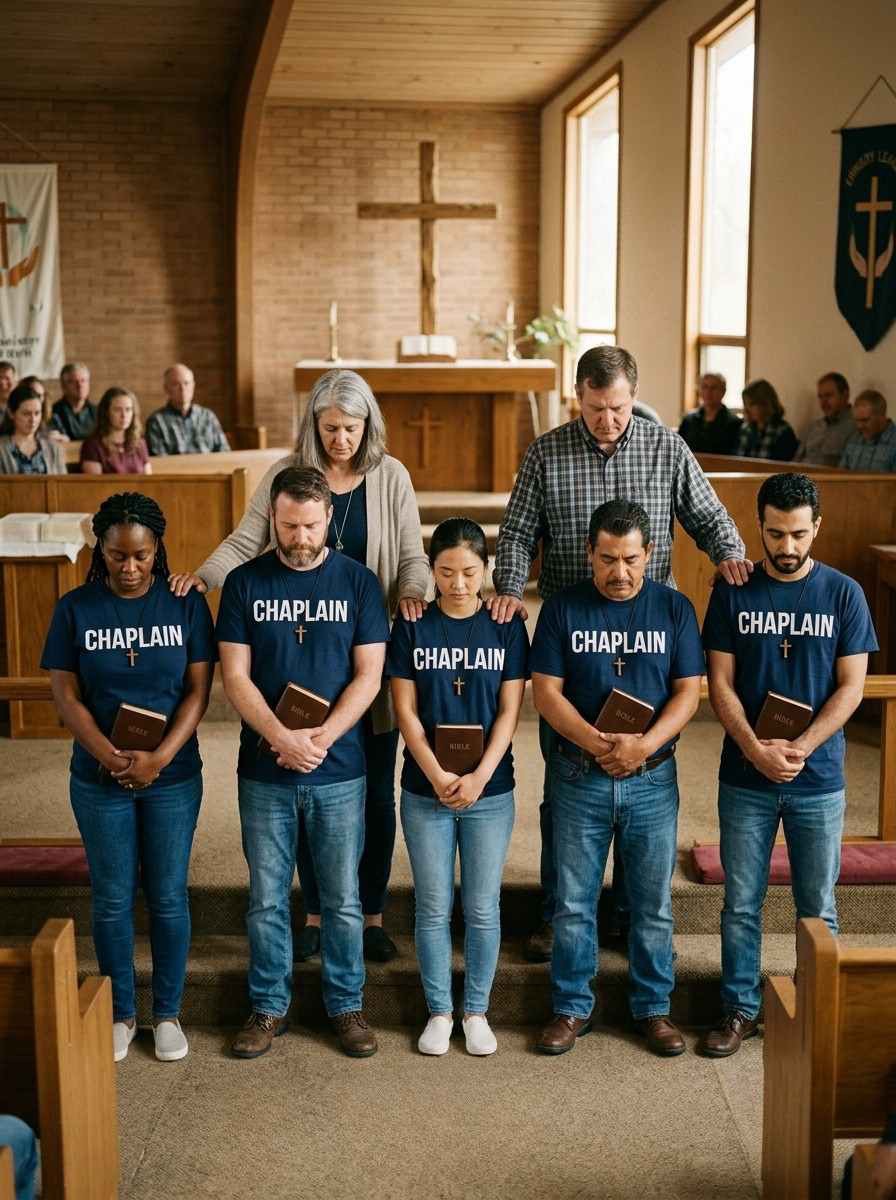
CLA encourages chaplains to participate in a commissioning service that may include:
Prayer
Public blessing
Laying on of hands
Local affirmation
Chaplaincy is not solo ministry.
It is accountable ministry within a community of service.
❓Frequently Asked Questions
Is this instant chaplain ordination?
No. Chaplain ordination through CLA is study-based and requires training, endorsements, and review before approval.
How long does chaplain ordination take?
Most pathways take about six months or more, depending on specialization and study pace.
Is chaplain ordination free?
Participation in the ordination pathway is free because the training is donor-supported. Official credential items may be purchased after approval.
What is the difference between CLI and CLA?
Christian Leaders Institute provides training and study-based ministry preparation. Christian Leaders Alliance provides ordination and clergy recognition.
Do I need a degree?
No. A degree is not required for chaplain ordination, although some students pursue degree pathways for broader ministry opportunities.
Will institutions automatically accept this ordination?
Each institution or agency sets their own requirements. CLA ordination supports credibility but does not override local approval processes.
Become Ordained in California Accessible online, study-based, and publicly recognized wedding officiant ordination How to Become Ordained in California Christian Wedding Officiant Training & Ordination Becoming ordained in California to officiate a wedding is a meaningful way to serve a bride and groom as they begin a covenant marriage. Some people step forward because a […]
Ordination That Confirms a Calling 🕊️ Crystal Wells’ Journey of Biblical Integrity Crystal Wells is a believer whose life and ministry are marked by a deep reverence for Scripture and a wholehearted devotion to Jesus Christ. Her spiritual walk is shaped by prayer, obedience to God’s Word, and a Berean mindset—one that carefully tests every […]
Developing MicroSchools Course ✨ Equipping Christian Educators to Build Faith-Centered Learning Communities The Developing Senior High MicroSchools Course empowers Christian educators, parents, and ministry leaders to launch or strengthen small, relational schools that integrate faith, discipleship, and academic excellence. Rooted in a biblical vision of creation, fall, and redemption, this course helps participants reimagine education […]
Chaplain Ordination: A Calling Recognized Through Preparation
Many people exploring chaplain ordination do so because they already find themselves caring for others. They are praying with neighbors, supporting families in crisis, comforting the grieving, or serving in hospitals, workplaces, correctional settings, or community outreach environments.
The question they eventually ask is simple:
How can my calling be recognized in a legitimate, Christian, and accountable way?
Chaplain ordination through Christian Leaders Alliance exists to answer that question by combining accessibility with biblical responsibility.
Chaplaincy is not merely a title—it is a ministry of presence.
What Chaplain Ordination Means
Chaplain ordination is the Church recognizing an individual who has demonstrated preparation, character, and readiness to provide spiritual care beyond traditional church settings.
Ordained chaplains serve people where life happens:
Hospitals and healthcare settings
First responder environments
Community organizations
Schools and campuses
Prisons and recovery programs
Workplaces and public service roles
Local neighborhoods and outreach ministries
Rather than leading a congregation, chaplains bring pastoral care directly into everyday life environments.
Study-Based Preparation for Chaplain Ministry
Chaplain ordination begins with ministry education and formation through Christian Leaders Institute.
This preparation includes:
Biblical foundations for pastoral care
Spiritual care and active listening skills
Ethical ministry practices
Crisis response awareness
Compassionate presence ministry
Christian leadership development
The goal is not instant ordination, but prepared ministry leadership.
Online access removes financial and geographic barriers while preserving meaningful preparation.
Who Pursues Chaplain Ordination?
Chaplain candidates often come from diverse backgrounds but share a common calling to serve others spiritually.
Many candidates are:
Volunteers already offering care and prayer
Church leaders expanding community outreach
Retired professionals sensing a new ministry season
First responders or caregivers seeking spiritual credentials
Ministers developing specialized chaplain roles
Christians responding to a growing desire to serve people in crisis
Chaplain ordination affirms service already taking place while strengthening credibility and accountability.
The Chaplain Ordination Process
Chaplain ordination through Christian Leaders Alliance follows a clear and transparent pathway.
Complete Ministry Training
Begin study-based preparation through Christian Leaders Institute courses designed for real-world ministry.
Demonstrate Calling and Character
Candidates develop spiritual maturity, ministry experience, and ethical readiness.
Receive Endorsement
Ordination includes affirmation from others who recognize the candidate’s ministry calling and integrity.
Establish Public Recognition
Ordained chaplains create an official profile in the Christian Leaders Alliance directory, providing transparent verification of ministry standing.
Participate in Commissioning
Ordination recognition includes prayerful commissioning and community acknowledgment of ministry responsibility.
Ordination is recognized—not purchased.
Why Accountability Matters in Chaplain Ordination
Because chaplains serve vulnerable people, integrity and accountability are essential.
Christian Leaders Alliance emphasizes:
External affirmation rather than self-appointment
Ethical commitments for ministry conduct
Public verification through directory recognition
Ongoing connection to Christian community
Responsibility alongside accessibility
This balance protects both the chaplain and the people they serve.
Free Ordination Without Compromising Integrity
Chaplain ordination is offered free of charge because ministry recognition should never be restricted by financial barriers.
Free Ordination Means:
No ordination fee
Online access to preparation
Public recognition through the Alliance
Accountability rooted in Christian community
Free does not mean instant, automatic, or casual.
Preparation, discernment, and recognition remain central to the process.
Where Ordained Chaplains Serve
Ordained chaplains often discover ministry opportunities they had never anticipated.
Common areas of service include:
Healthcare and hospice visitation
Crisis and disaster response
Workplace chaplaincy
Law enforcement and first responder support
Community outreach ministries
Wedding, funeral, and life-event care
Informal neighborhood pastoral care
Chaplain ministry meets people precisely where spiritual support is needed most.
Optional Credentials and Ministry Tools
While ordination itself is free, many chaplains later choose optional credentials that assist practical ministry service, such as:
Printed certificates
Identification cards
Letters of good standing
Digital ministry credentials
Chaplain ministry resources
These tools support ministry but never grant ordination status.
A Modern Pathway Rooted in Historic Christian Practice
Christian ordination has always involved three elements:
Calling — God’s work in a person’s life
Preparation — formation for faithful service
Recognition — affirmation by the Christian community
Christian Leaders Alliance brings these historic principles into an accessible global model, allowing everyday believers to pursue chaplain ministry responsibly and biblically.
Begin Your Chaplain Ordination Journey
If you sense a calling to provide spiritual care, encouragement, and Christian presence in places of need, chaplain ordination may be your next step.
Your journey may begin with:
Starting free ministry training
Exploring chaplain preparation courses
Developing real ministry experience
Receiving ordination recognition through Christian Leaders Alliance
Chaplaincy is ultimately about service—not status.
It is the Church recognizing those who faithfully bring Christ’s compassion into hospitals, communities, workplaces, and moments of human need.